Concentrated Skincare Changes How Much You Need
One of the biggest adjustments when switching to concentrated skincare is realizing how little you actually need.
We’ve become accustomed to applying skincare generously, a full pump of serum, a dollop of moisturizer, another layer on top. But how much product your skin needs depends greatly on what that product is actually made of.
Most conventional creams and lotions contain a significant amount of water. Because water and oil don’t naturally stay mixed together, these formulas also require emulsifiers and other supporting ingredients to create the texture and stability we associate with a traditional moisturizer. A generous scoop of cream is not the same thing as a generous scoop of a concentrated, water-free balm.
When you remove the water, everything changes
With a concentrated balm, you’re working with the ingredients that remain on the skin: plant oils, waxes, skin-compatible lipids, antioxidant-rich botanicals and actives.
That changes not only the formula, but how you use it.
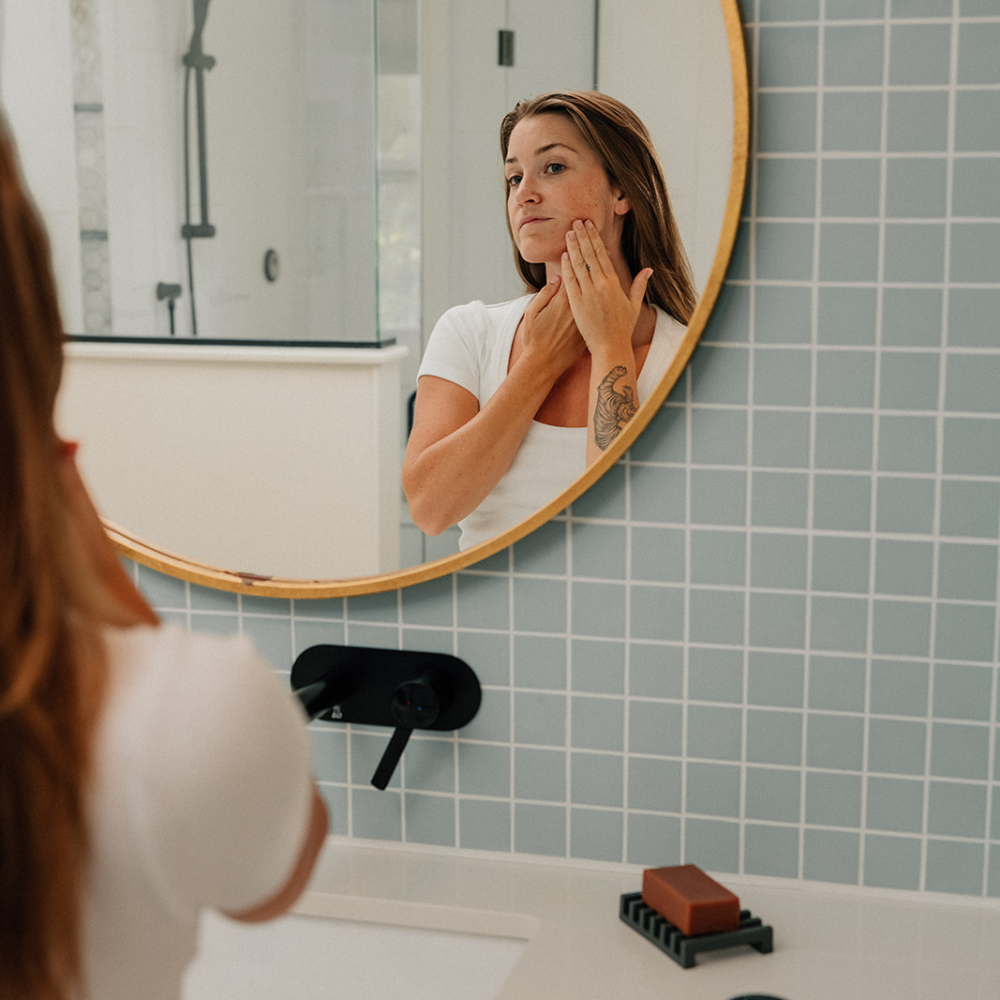
A small amount of balm, often much less than people initially expect can be warmed between the fingertips and pressed into slightly damp skin. The moisture already present on the skin helps the balm spread beautifully, while the oils and lipids help soften the skin and reduce moisture loss.
Rather than trying to hydrate by continually adding more water to the surface, we’re helping the skin hold onto the water it already has.
Damp skin makes a difference
This is also why we recommend applying our oils and balms to skin that is still slightly damp.
Water and oil play different roles in the skin. Water provides hydration, while lipids help support the barrier that keeps that hydration from escaping too quickly.
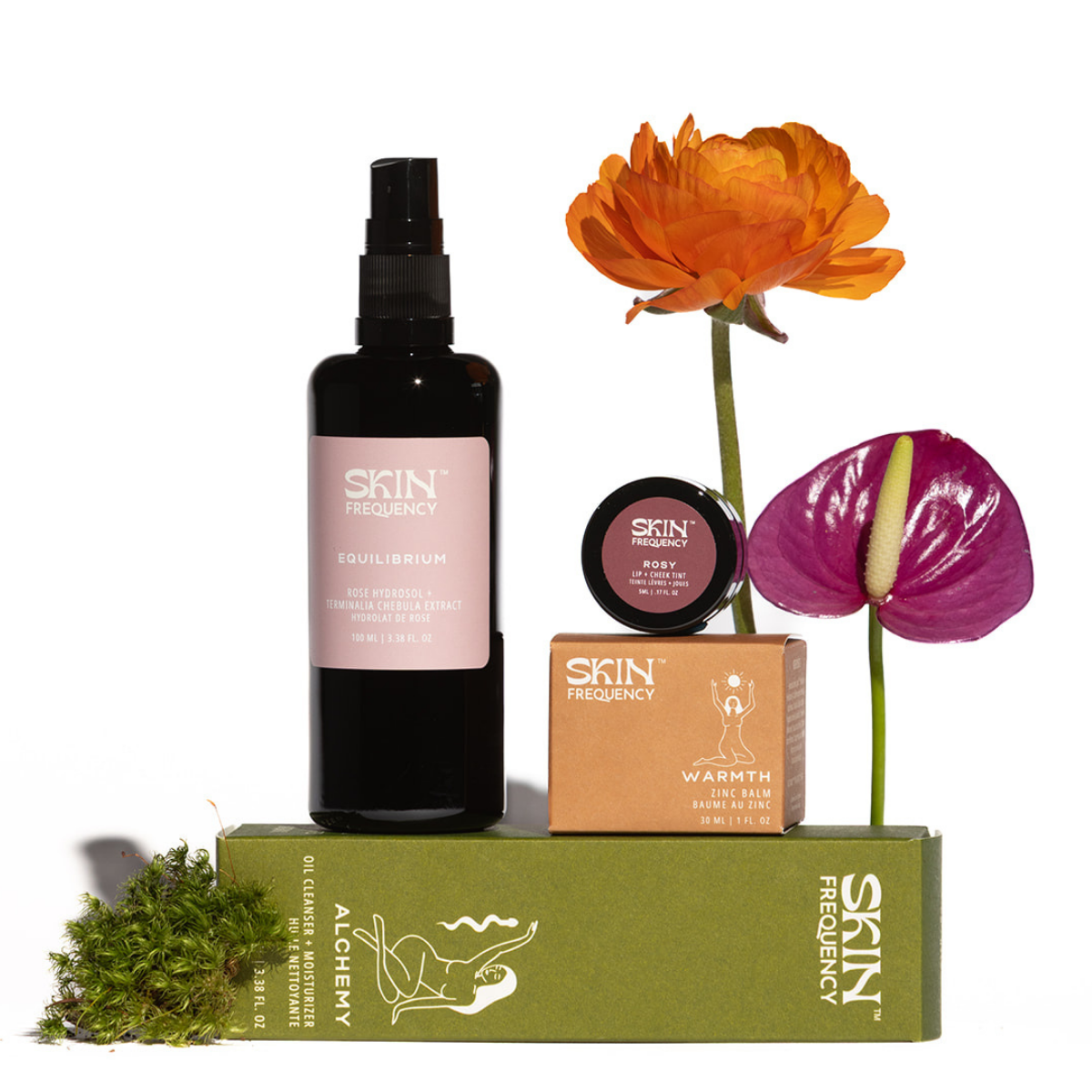
Instead of putting water inside the balm, we prefer to keep those steps separate: mist the skin first, then follow with a concentrated oil or balm.
It gives you more control over what your skin receives and allows a very small amount of product to spread easily across the face and neck.
Use enough. Not as much as possible.
After more than 20 years of working with skin, I’ve become much less interested in how many products we can add to a routine and much more interested in how intentionally we can formulate and use them.
I think about skincare the same way I think about formulation:
Use enough to give the skin what it needs, without overwhelming it with what it doesn’t.
Sometimes better skincare isn’t about adding another step.
It’s about making every step count.