Microneedling + the Healing Response
The Inflammation Factor
If you are trying to reduce inflammation in your skin, it can sound strange to choose a treatment that intentionally creates more of it.
But there is an important difference between chronic inflammation and the short-term, controlled inflammatory response created during microneedling.
Chronic inflammation can keep skin stuck in a cycle of redness, breakouts, pigmentation, congestion and impaired barrier function.
Microneedling creates a temporary inflammatory response for a very different reason: to signal the skin to begin repairing itself.
Creating Inflammation
Microneedling creates thousands of tiny, controlled channels in the skin.
The skin recognizes this as an injury and begins a natural healing process. The first stage is inflammation, followed by repair, collagen production and gradual strengthening of the skin.
This is why some redness and warmth after microneedling are expected.
We are not trying to create excessive inflammation, but we do want enough of a response to tell the skin that repair needs to begin.
Over the following weeks and months, that healing process can improve concerns such as:
-
Acne scarring
-
Marks left behind after breakouts
-
Uneven texture
-
Enlarged-looking pores
-
Congestion and blackheads
-
Sun-related pigmentation
-
Melasma in appropriately selected skin
-
Fine lines and loss of firmness
For acne-prone skin, a series of treatments may also help the skin look less congested and more balanced over time.
Healthy Skin Heals Better
Before microneedling, I want the skin to be in a good position to heal.
If the skin barrier is very compromised, irritated or reactive, we may spend some time strengthening it before beginning treatment.
This may mean simplifying your home routine, reducing unnecessary exfoliation and giving the skin time to become more stable.
Microneedling does not need to be rushed.
Preparing the skin properly can make just as much difference as the treatment itself.
What Happens During Your Treatment
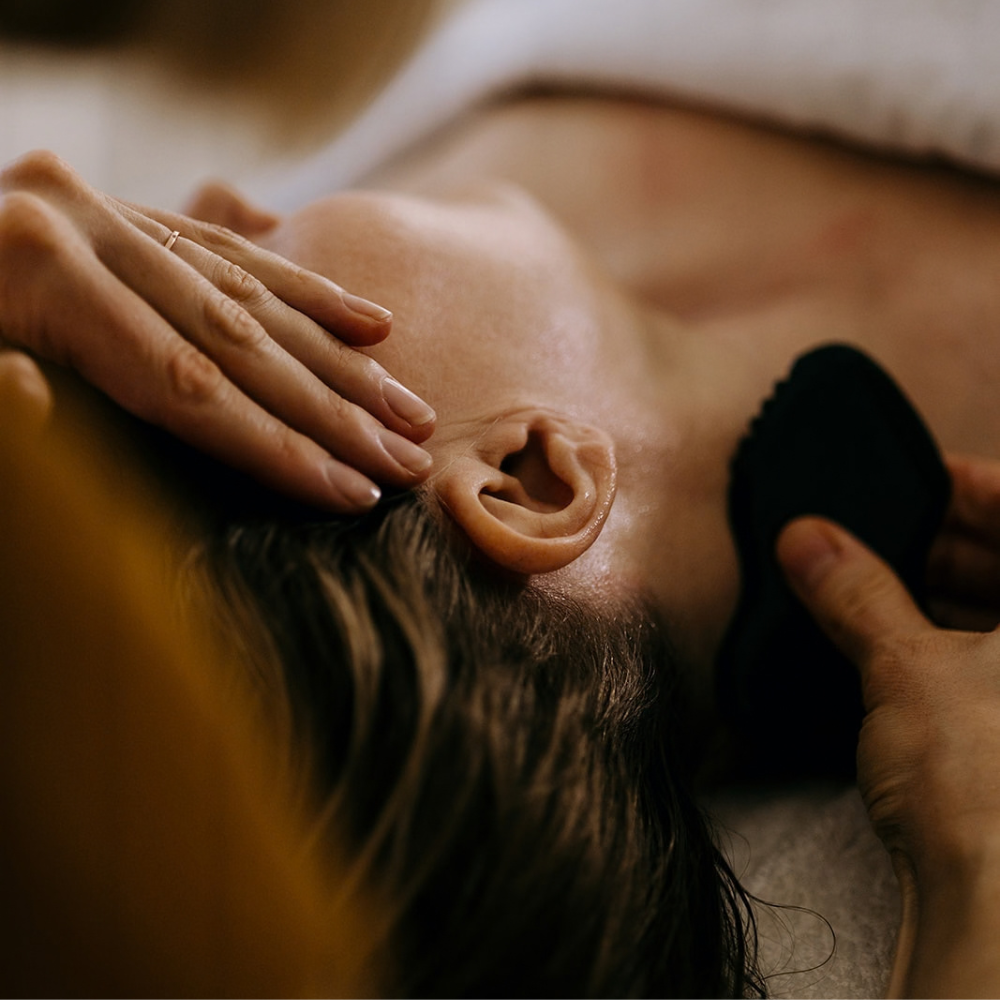
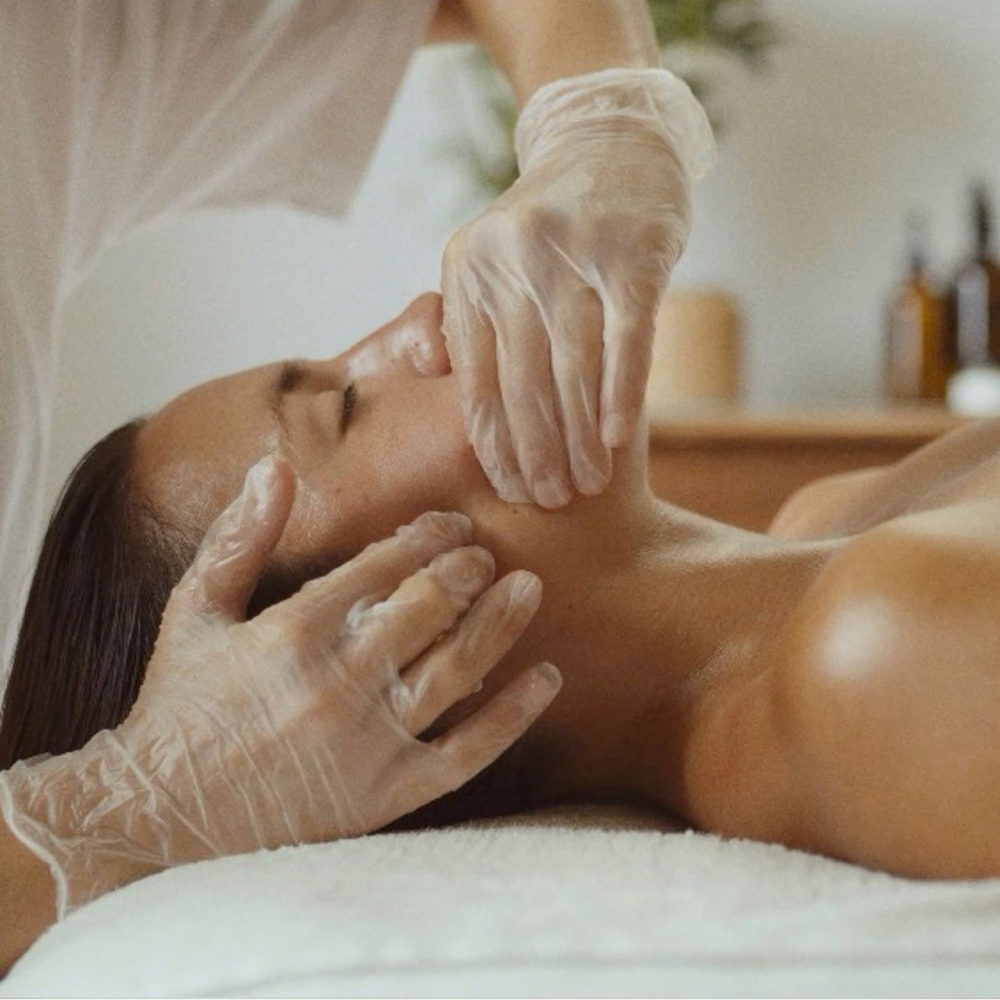
Before microneedling, the skin is thoroughly cleansed and prepared.
I also incorporate lymphatic drainage before treatment. This helps support circulation and lymphatic flow before we begin.
The microneedling treatment is then performed at a depth appropriate for your skin and the concern we are treating.
And once the needling is finished, we keep everything very simple.
Why We Don't Immediately Try to Reduce the Redness
After many facial treatments, the instinct is to calm, cool and soothe the skin as quickly as possible.
Microneedling is different.
The redness and warmth are part of the healing response we have intentionally created.
Because that inflammatory response is what begins the repair process, I do not want to immediately suppress it simply to make the skin look less red.
We do not finish the treatment with multiple masks, serums or layers of products.
The skin has already received the signal it needs.
From there, the goal is to protect it, avoid unnecessary irritation and allow the healing process to unfold.
What Goes on Your Skin Matters
Microneedling temporarily creates channels through the skin barrier, which means ingredients can reach deeper layers than they normally would.
For that reason, our approach is very minimal.
There are products and treatment protocols designed specifically to be used alongside microneedling, but we still prefer to be highly selective about what is introduced into freshly treated skin. Skincare products are generally designed to work on the surface of the skin, and introducing ingredients more deeply can carry a small risk of unwanted inflammatory reactions, including granulomas.
During treatment, we use a freshly prepared, high-molecular-weight hyaluronic acid treatment as the glide medium and avoid layering on masks, serum cocktails or unnecessary actives afterward.
Our focus is on allowing the microneedling itself to create the healing signal, then giving the skin the space to move through that repair process on its own.
Why We Keep Post-Treatment Care Minimal
The first 24 hours after microneedling are an important part of the treatment.
During this time, we recommend doing nothing to the skin: no cleansing, no skincare products, no rubbing or touching. The microchannels created during treatment are beginning to close, and the skin has already started the healing response we wanted to create.
This is why we don’t rush to calm the skin down or layer products on afterward.
Your skin knows what to do.
Now is the time to allow the systems of your body to go into healing mode. The inflammatory response begins, repair mechanisms are activated, and the skin starts the longer process of rebuilding and remodeling itself.
That is where the magic of microneedling really happens, not during the treatment, but in what your body does with that signal afterward.
After the first 24 hours, skincare can be reintroduced gradually and kept simple for the next several days. Strong acids, retinoids, excessive heat, saunas and prolonged sun exposure should still be avoided while the skin continues to recover.
Once the skin has had time to recover, we shift the focus back to supportive daily skincare.
Over the following weeks and months, the skin is continuing to repair, produce collagen and remodel itself. This is a valuable time to support that process with well-formulated products that help maintain hydration, barrier function and overall skin health.
The Results Don't Happen All at Once
Microneedling is not a quick-fix treatment.
You may notice your skin looking brighter or smoother fairly quickly, but the more meaningful changes happen gradually.
Over the weeks after treatment, your skin continues repairing itself and producing new collagen. Over the following months, that new collagen strengthens and matures, which is when you may start to notice more improvement in things like texture, firmness, pigmentation and scarring.
This is also why microneedling is usually done as a series.
When treatments are spaced about six weeks apart, each one builds on the work your skin has already started. You are not beginning again from scratch each time. The benefits are cumulative.
Think of it less like resurfacing the skin overnight and more like slowly rebuilding its support structure from within.
Over time, the skin becomes stronger, smoother and more resilient as it continues to remodel itself.
That gradual rebuilding is really the point of microneedling. It is not about creating a dramatic change in one appointment. It is about giving the skin repeated opportunities to repair, strengthen and improve over time.